How long does an ADU take to build in Murrieta, CA? The schedule includes design, permit review, site preparation, construction and final inspections—not just the days spent building. For a property-specific schedule, speak with an ADU builder in Murrieta, CA. This guide explains the sequence of work, what each stage depends on and where delays can occur.
There is no single completion date that fits every property. A complete project can take several months, and the construction phase is only part of that time. Ask for a schedule that separates planning and approvals from on-site work rather than treating them as one estimate.
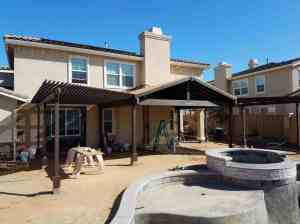
The ADU Timeline: From Planning to Final Approval
1. Site Evaluation and Project Scope
The first stage establishes what needs to be designed and built. Review the existing structures, access, utilities, drainage and proposed location of the unit. Unresolved site conditions can lead to design changes later, so identify them before committing to a construction start date.
The milestone at this stage is an agreed project scope and a list of site information needed for the plans.
2. Design, Engineering and Material Decisions
Prepare the floor plan and construction documents, coordinate any required engineering, and decide on the layout before submitting plans. Changes to kitchens, bathrooms or utility routes after this stage can affect both drawings and scheduling.
Confirm which finish selections must be made early. Materials with long lead times should be identified before the on-site schedule is finalized.
3. Permit Submission and Review
Permit review is separate from construction time. Plans may need corrections or additional documentation before approval. The duration depends on the submission, review workload, required revisions and any utility coordination.
Track the submission date, outstanding comments, who is responsible for responding and the next review milestone. Do not treat a proposed start date as a guaranteed date while approvals remain outstanding.
4. Site Preparation, Utilities and Foundation
Once the necessary approvals are in place, work can move to site preparation. Depending on the project, this may involve demolition, grading, trenching, underground utilities and foundation work.
Access restrictions or unexpected conditions below ground can change the sequence. Required inspections and concrete curing also need to be accounted for before the next stage begins.
5. Framing, Roofing and Rough-In Work
Framing and roofing establish the structure, followed by coordinated electrical, plumbing and mechanical rough-in work. Required inspections must take place before work is covered by insulation or drywall.
The schedule should identify inspection checkpoints and dependencies between trades. A delay in one rough-in task can affect several subsequent tasks.
6. Insulation, Drywall and Interior Finishes
After the relevant inspections, work progresses through insulation, drywall, cabinetry, tile, flooring and fixture installation. These tasks need a coordinated order, and missing materials can interrupt that sequence.
Avoid changing the layout or major finish selections during installation. A late change may require rework, replacement materials or another inspection.
7. Final Inspections and Completion
Allow time for final inspections, any required corrections and a walkthrough. Finishing the visible construction work is not necessarily the same as receiving final approval.
Confirm the remaining documentation, correction items and approval requirements before treating the unit as ready for occupancy.
What Can Delay an ADU Project in Murrieta?
Common schedule risks include:
- Incomplete plans or permit corrections
- Unresolved utility requirements
- Unexpected grading, drainage or existing-structure conditions
- Restricted access for equipment or deliveries
- Material lead times and missing fixtures
- Trade scheduling and inspection availability
- Weather interruptions
- Design changes after construction has started
A useful schedule states which dates are estimates, which milestones depend on outside approvals and how delays will be communicated.
How to Keep the Process Moving
Finalize the layout early, respond promptly to plan questions and select materials before they are needed on site. Keep an up-to-date list of decisions, deliveries and inspection milestones.
At each progress update, ask what has been completed, what is next and whether anything could affect the next milestone. This makes schedule changes easier to understand without assuming every stage will take the same amount of time.
Garage Conversion Versus Detached ADU Timelines
A garage conversion may avoid some new structural work, but its existing foundation, walls and utilities still need evaluation. Necessary upgrades can affect the schedule.
A detached ADU generally includes new site work and a new structure. Compare the actual scope, approvals, utility work and inspection sequence rather than assuming one option will always be faster.
Questions to Ask About Your ADU Schedule
- Does the estimate include design and permitting, or construction only?
- Which approvals are needed before work can start?
- What decisions must I make before plans are submitted?
- Which materials could affect the start or finish date?
- When are inspection checkpoints expected?
- How will changes to the schedule be reported?
- What must be completed before final approval?
Frequently Asked Timeline Questions
How long does it usually take to build an ADU in Murrieta?
A complete project can take several months. The duration depends on design, permit review, site conditions, construction scope and inspections. Request a schedule for your specific property.
What is the difference between construction time and the total project timeline?
Construction time covers on-site work. The total timeline also includes site evaluation, design, engineering, permit review and final approvals.
Can a garage conversion be faster than a detached ADU?
It may be, but existing-structure upgrades, utility work and permit requirements can change the comparison. Review the scope of both options first.
Can I reduce avoidable delays?
Finalize decisions early, prepare complete plans, order materials at the appropriate time and respond quickly to questions. Review milestones regularly as work progresses.
When is an ADU project complete?
Allow for final inspections, corrections and required approvals after the main construction work. Confirm the occupancy requirements for your project before using the unit.
Spencer Woollard
Spencer Woollard has 30+ years of experience in custom construction in Southern California. With over 350 completed projects including ADUs and bathroom remodels, Spencer is a trusted local contractor in Temecula, CA.